
Basic security & guarding duties
Standing a post, holding a visitor register, checking a gate pass, challenging an outsider, and the conduct rules that get a guard removed from a site.
Training
The premise
A guard who lets a vehicle out because the paperwork looked roughly right has not been dishonest. He has been untrained. A guard who argues with an agitated attendant in a hospital corridor has not been rude. In each case there is a module behind the mistake.
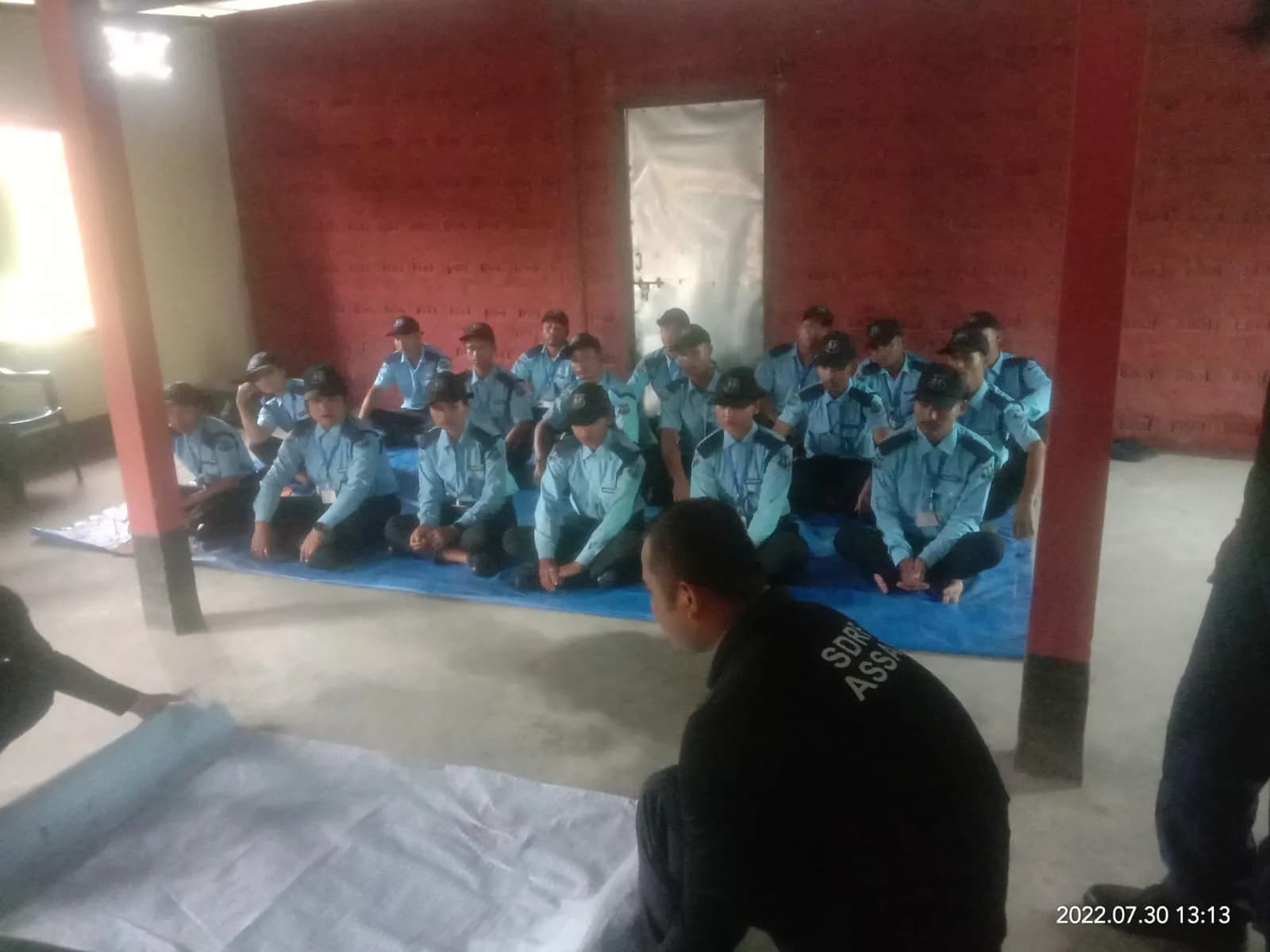
So we do not deploy on the strength of an interview. Our guards undergo training in guarding duties, physical fitness and parade, fire safety and emergency response, first-aid support, access control and gate management, and crowd control and discipline. Sessions are run with external instructors where the subject calls for it. The emergency-response training on this page was conducted with SDRF Assam.
What we train
These are the areas named in our training programme. They are the ones that decide what happens on a site at three in the morning.
Standing a post, holding a visitor register, checking a gate pass, challenging an outsider, and the conduct rules that get a guard removed from a site.
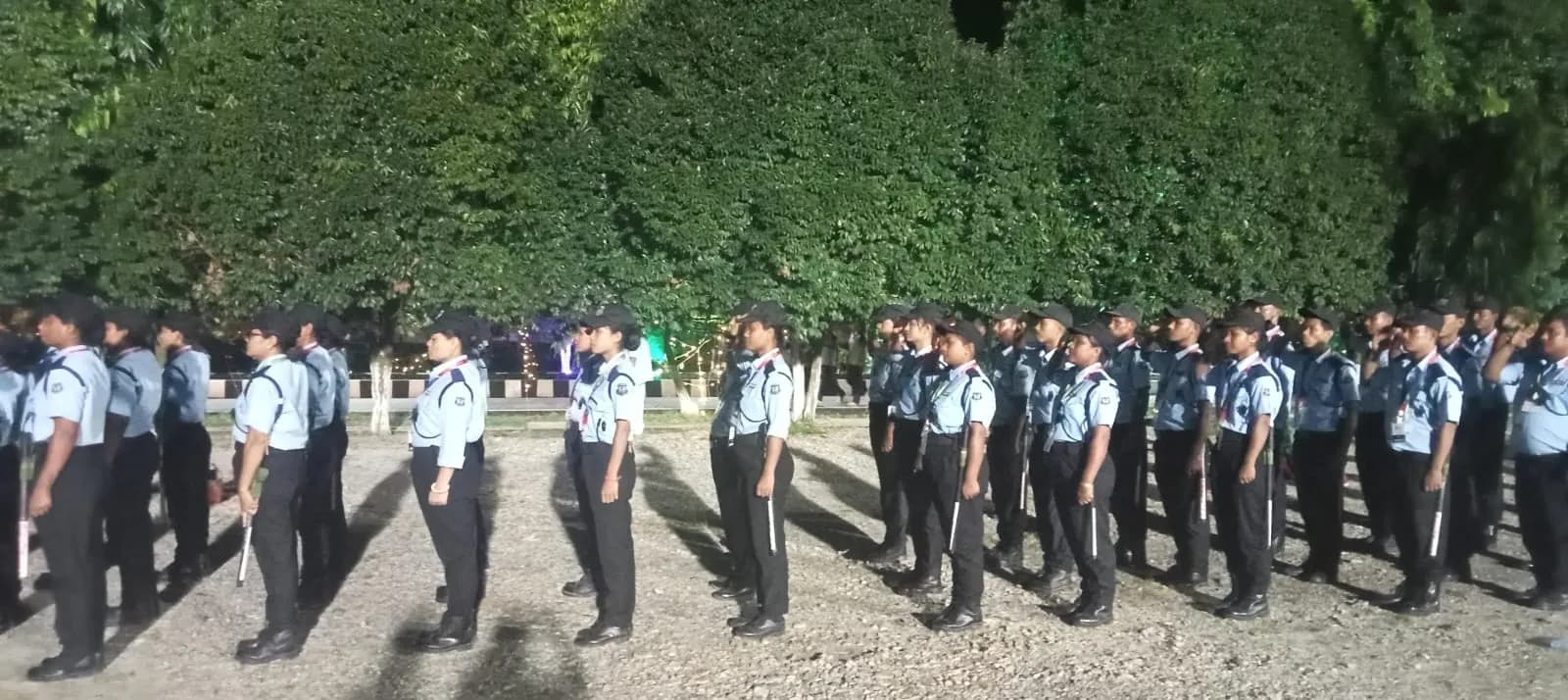
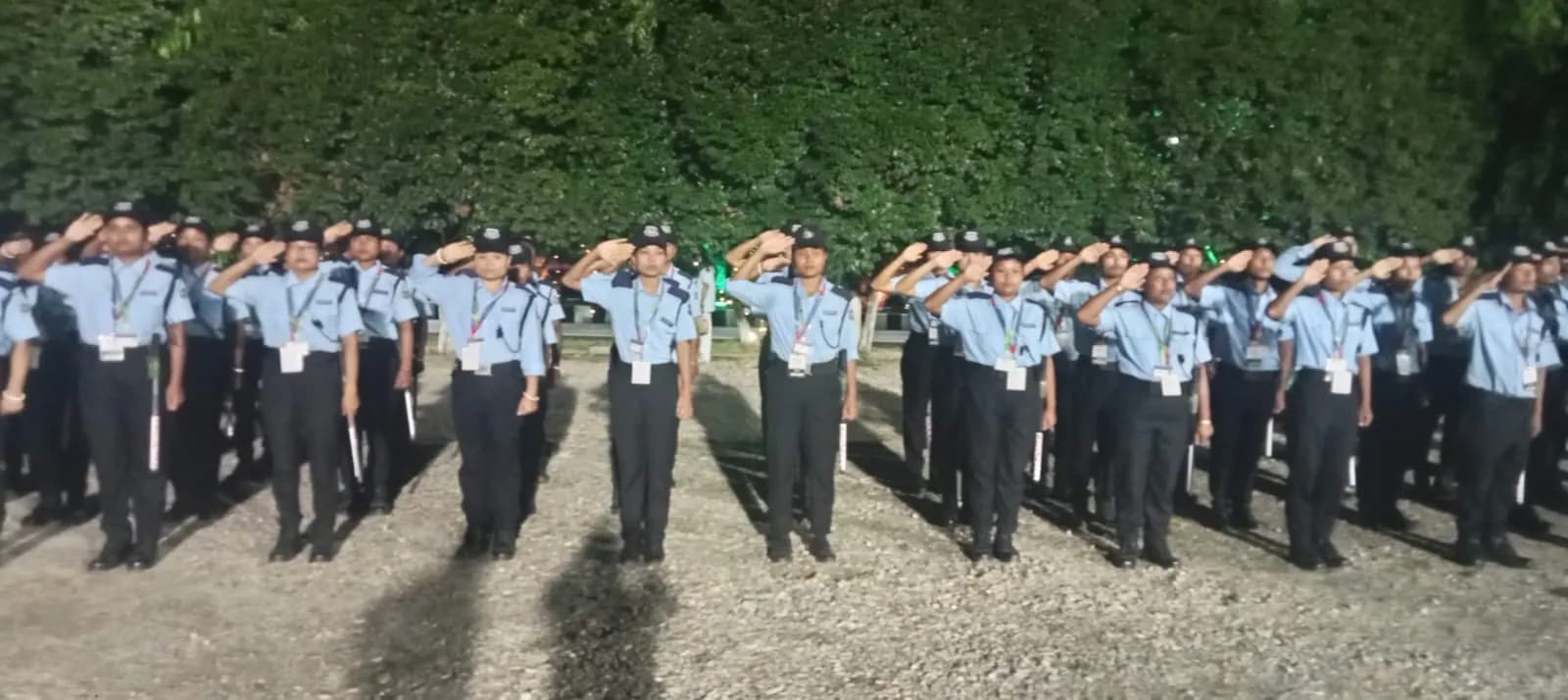
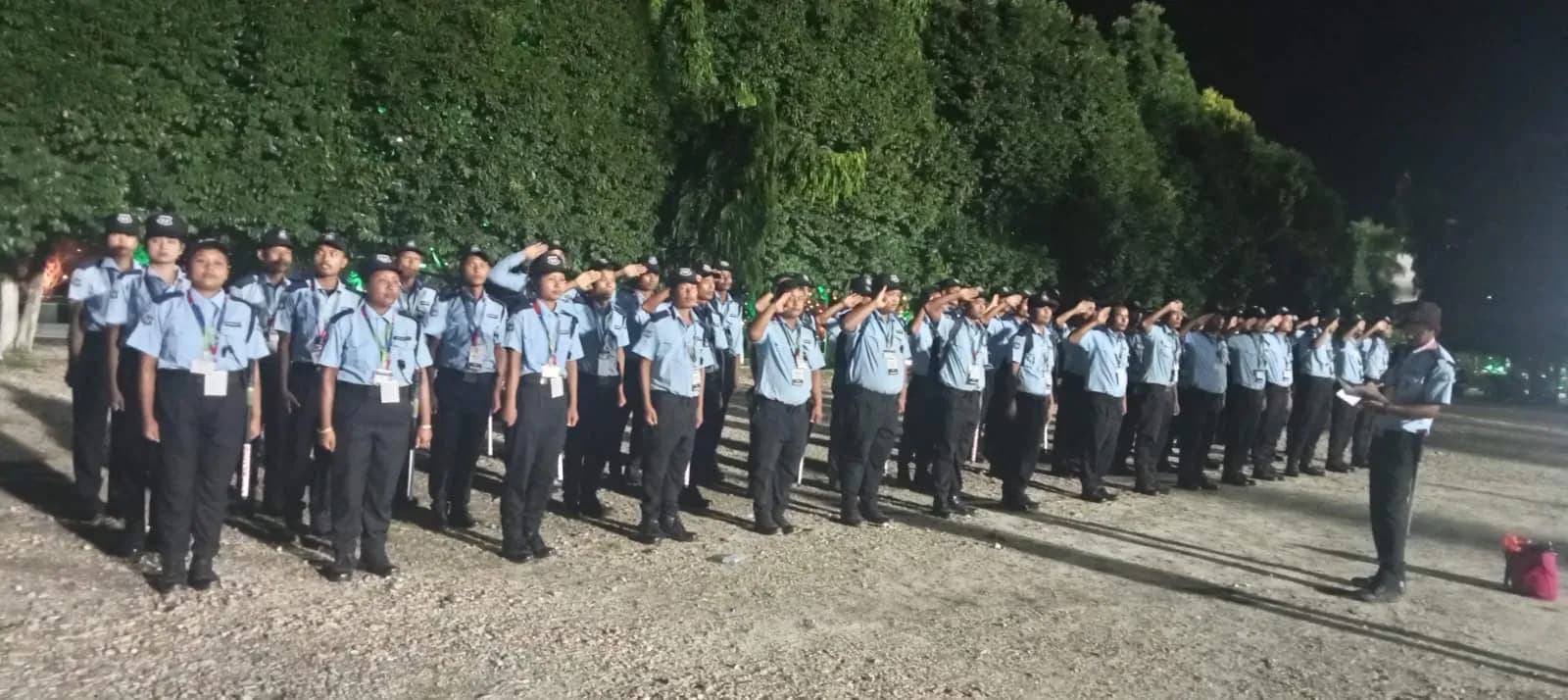
Turnout, drill, saluting and bearing. Parade is where discipline is visible, and it is the part a client sees at the gate every morning.
Extinguisher classes and use, raising an alarm, assembly points, and assisting an evacuation without adding to the panic.
Bleeding control, basic resuscitation, fracture immobilisation and calling for an ambulance correctly, enough to be useful in the minutes before help arrives.
Visitor entry, material and vehicle movement, frisking protocol, and the correct, and calm, way to refuse entry to someone who should not have it.
Queue and barricade handling, de-escalating an angry group, and keeping a lane open at an event or a hospital entrance when it matters most.
Before the uniform
Training makes a guard useful. Verification is what makes them safe to put on your site in the first place, and it is the step an agency in a hurry is most tempted to skip.
Every guard is police-verified before deployment. This is not waived for an urgent posting, and it is not something we start after the guard is already on your gate.
Aadhaar and permanent address documents are checked and held on file as part of the same verification, not accepted as a photocopy handed over at interview.
Guarding is physical work on long shifts. Basic fitness is assessed before posting, and parade and fitness training continue afterwards.
Parade
Parade is where discipline becomes visible. It is also where a supervisor catches the uniform, the cap, the identity card and the bearing before a client has to notice any of them.
Recruits
New recruits march and run before they ever wear the uniform. A guard on a twelve-hour shift has to be on their feet for all of it, and the drill instructor finds out in week one who will be.
Sessions
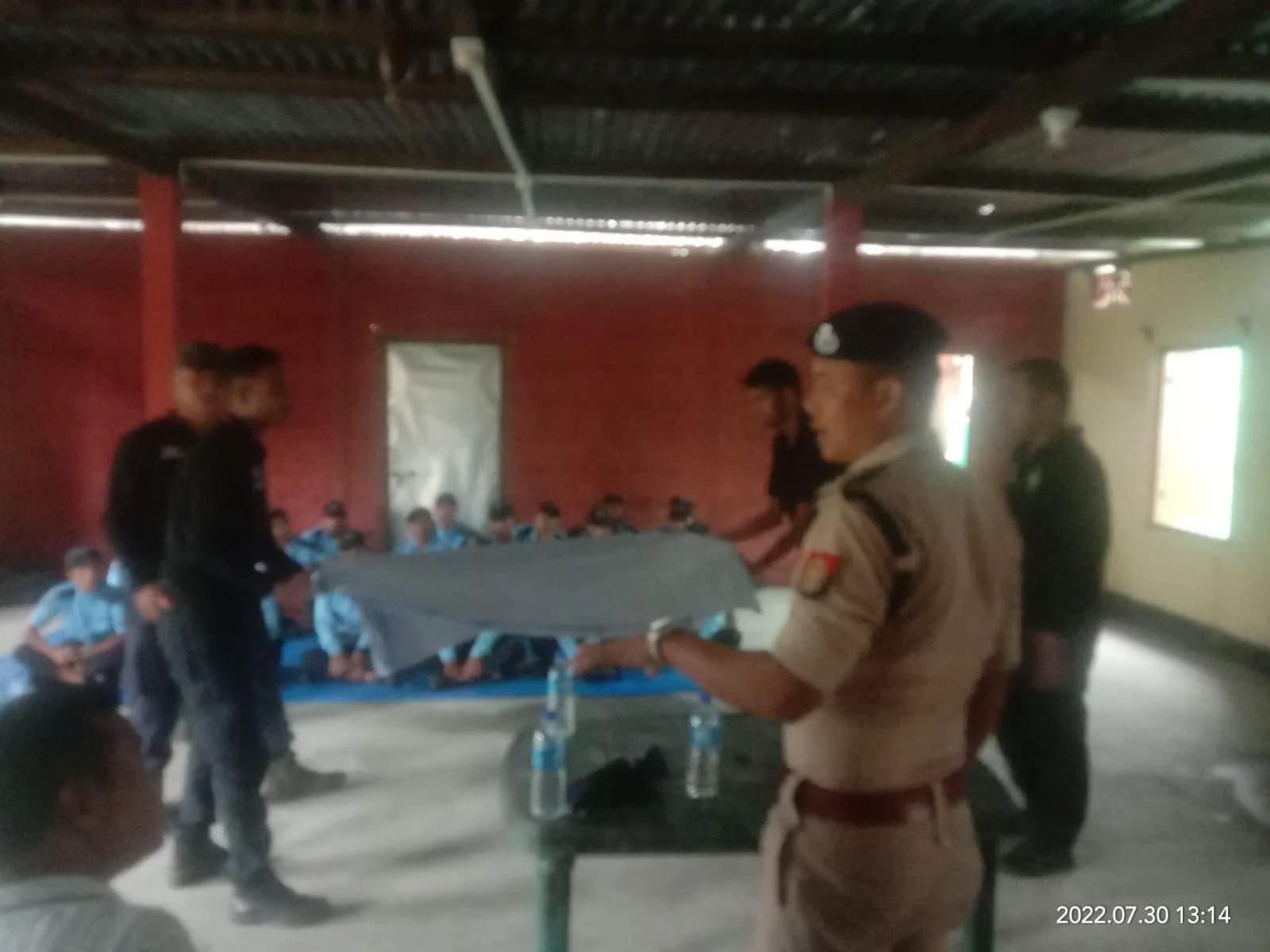
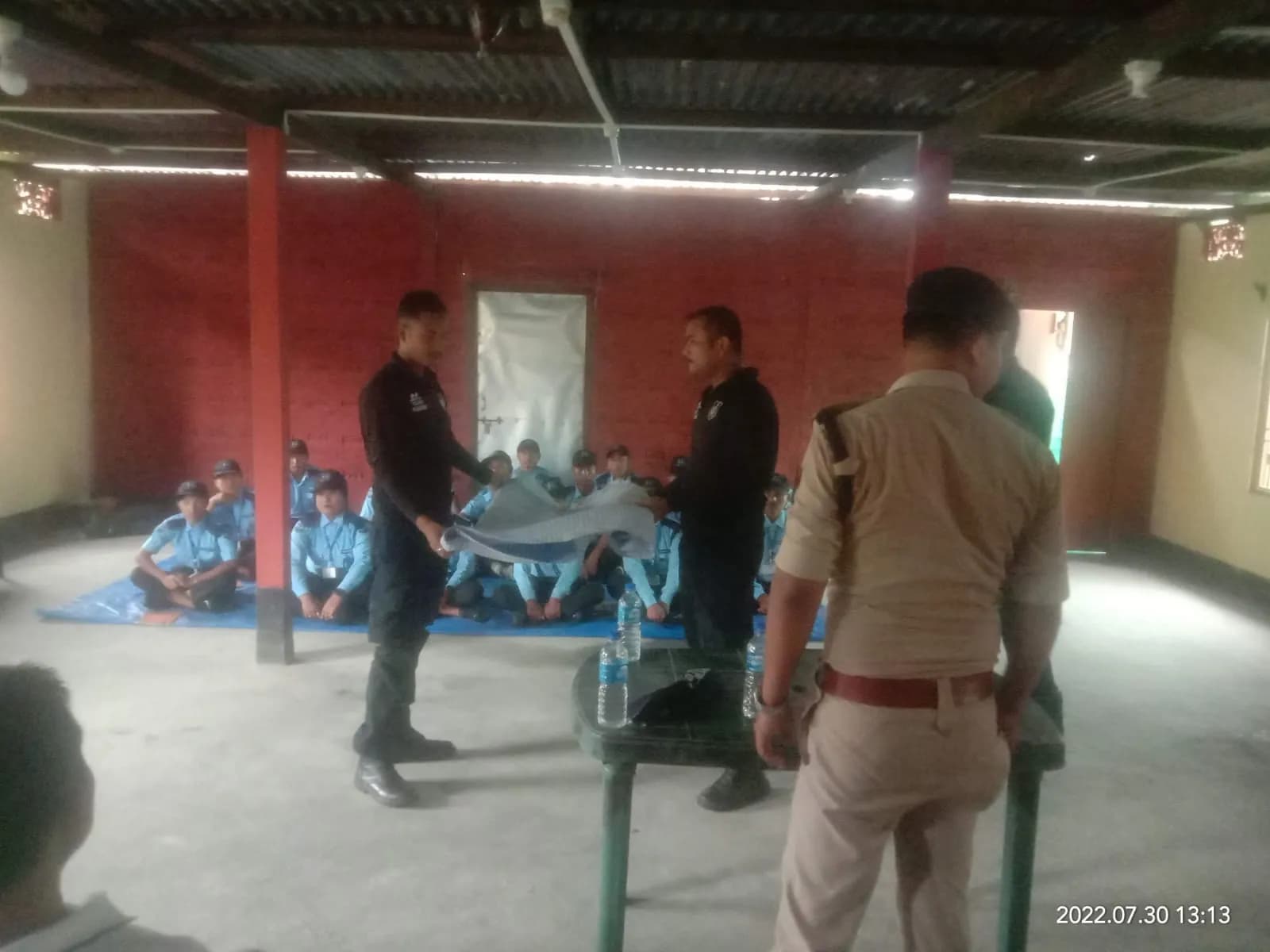
Join us
You need to be reasonably fit, willing to work shifts, and able to produce Aadhaar and address proof for verification. Everything else, we teach.
See open positionsTell us the site, the hours and the number of guards. A field officer surveys it, and you get a written quotation showing the wages, the statutory heads and our charge separately, so you can see exactly what the guard receives and what we charge on top.
Already with us
Mon–Sat, 9:00 AM – 6:00 PM IST · Supervision and deployment desk, 24 × 7